
Fake Parking Website Targets Iphone Users in Malaysia.
Sep 9, 2026
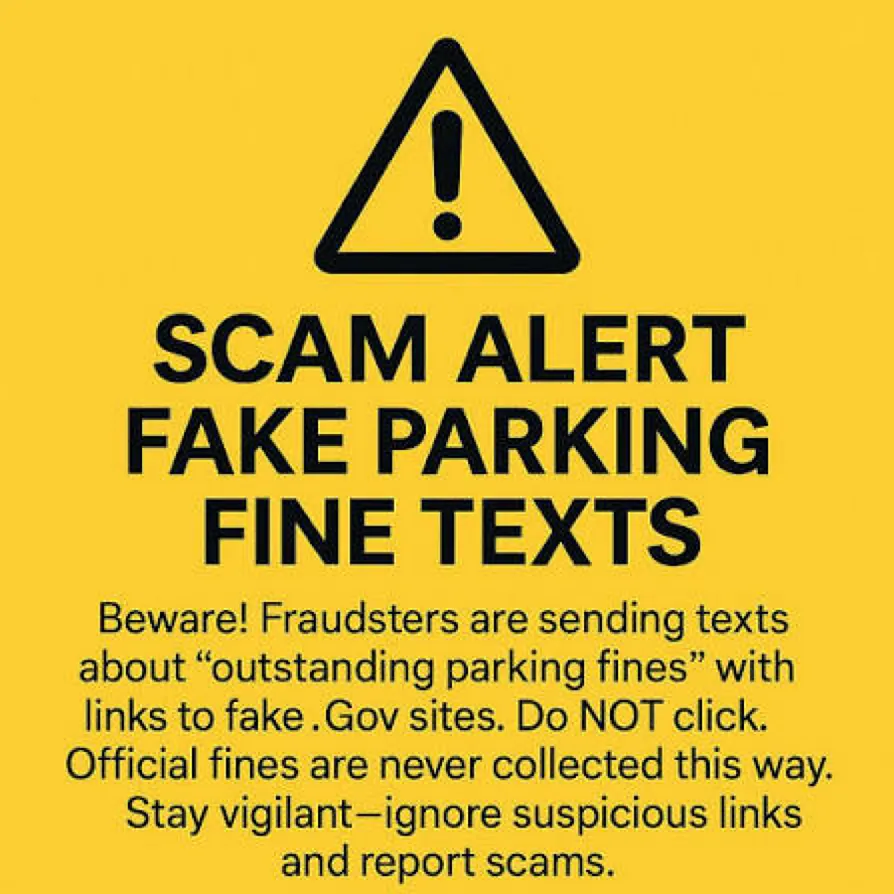
A website can look completely legitimate and still be dangerous. That is the concern behind a recent cyberattack campaign involving a fake website designed to closely imitate Malaysia’s Park@Perak Parking portal. According to a warning by MyCERT, the malicious website uses a web address that differs from the legitimate service while closely copying its appearance.
For users, this makes the threat particularly concerning. At first glance, the website may appear familiar and trustworthy. However, what users see on the screen is not always what is happening behind it.
According to MyCERT, targeted iPhone users could potentially have their devices compromised simply by opening the malicious website through Safari. Unlike a typical phishing scam, victims may not need to enter their passwords, download an application or click on an additional link.
When Simply Opening a Website Can Become a Risk.
Most people are familiar with traditional phishing attacks. A suspicious message usually asks users to click a link, enter their login details or download a file. This type of attack demonstrates a different approach.
Instead of waiting for users to provide information, a malicious website may attempt to exploit vulnerabilities in the browser or device itself. If successful, a compromised device could potentially expose sensitive information, including messages, emails, contacts, saved passwords, authentication tokens, photos and location information.
What makes this even more concerning is that victims may find it difficult to know that their device has been compromised. The website looks real. The service appears familiar. But the destination is malicious.
Why This Matters for Fintech Organisations.
For fintech organisations, device security is closely connected to business security. An employee’s smartphone may contain access to corporate emails, internal communications, business applications and authentication tools. If that device is compromised, it could potentially expose corporate credentials, financial information, authentication tokens and other sensitive company data.
A single compromised device can also become a possible starting point for further attacks against an organisation. This is an important reminder that cybersecurity is not only about protecting systems. It also requires employees to remain careful about the websites and links they access everyday.
STOP → CHECK → VERIFY
Before accessing an online service, take a moment to check where the link actually leads.
Check the URL carefully before entering a website.
Use official websites or applications whenever possible.
Keep your iPhone and applications updated with the latest security patches.
Be cautious of unexpected links related to parking, payments, summonses or renewals.
A professional-looking website is not proof that it is legitimate.
Before you trust what you see, check where you are going.
STOP → CHECK → VERIFY.
Because when it comes to cybersecurity, the wrong link can lead to far more than the wrong website.


